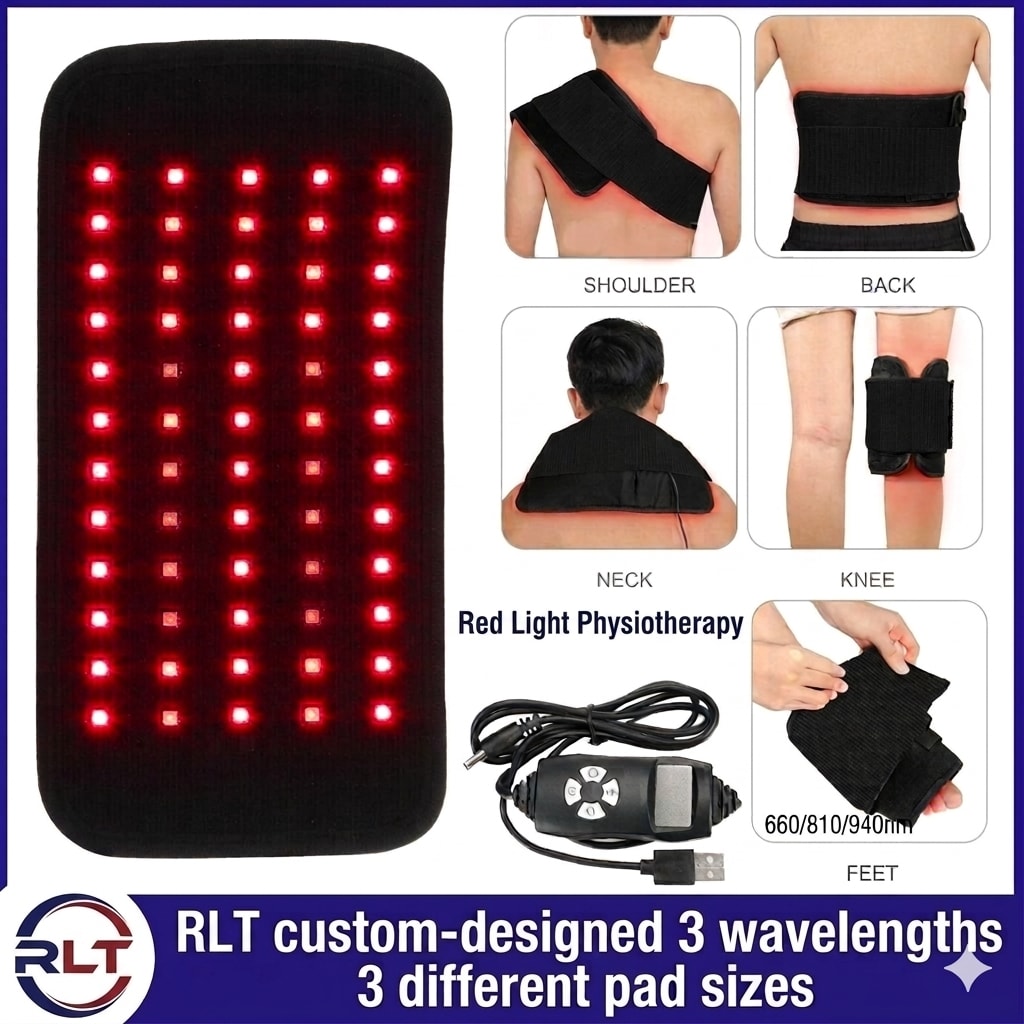
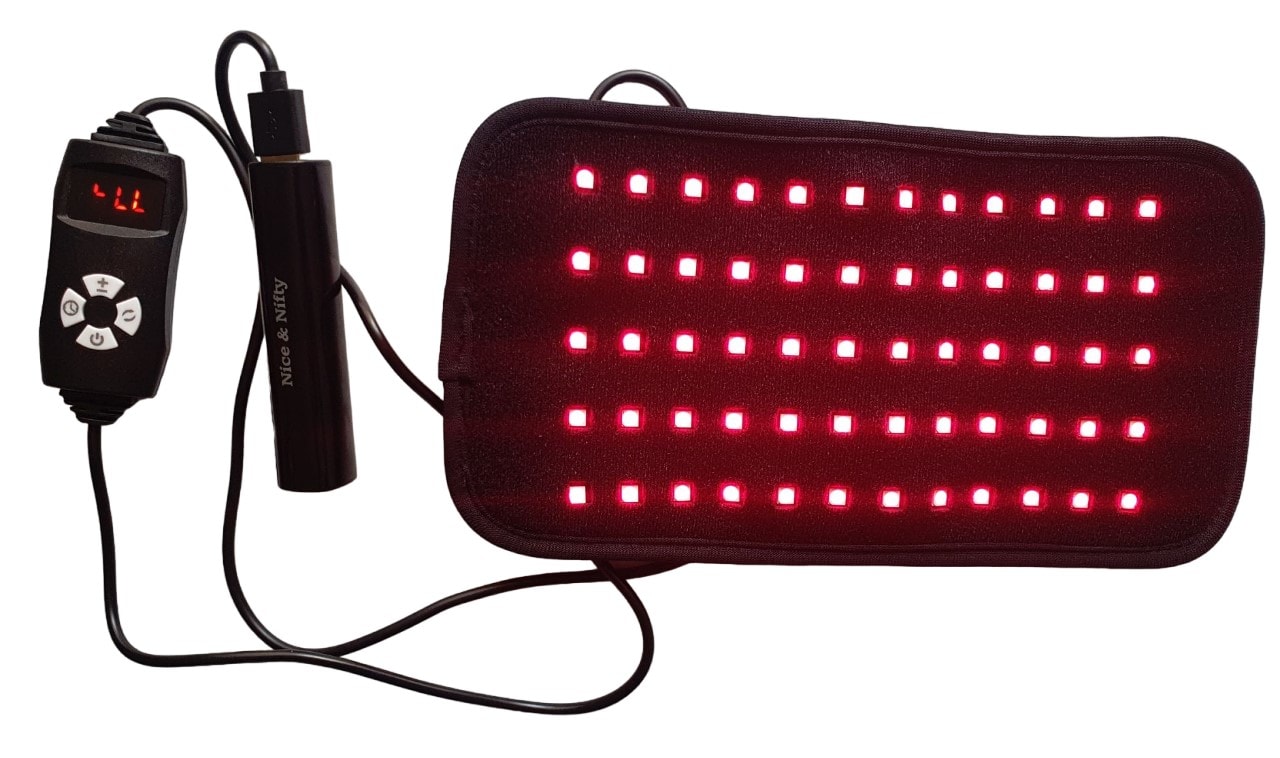
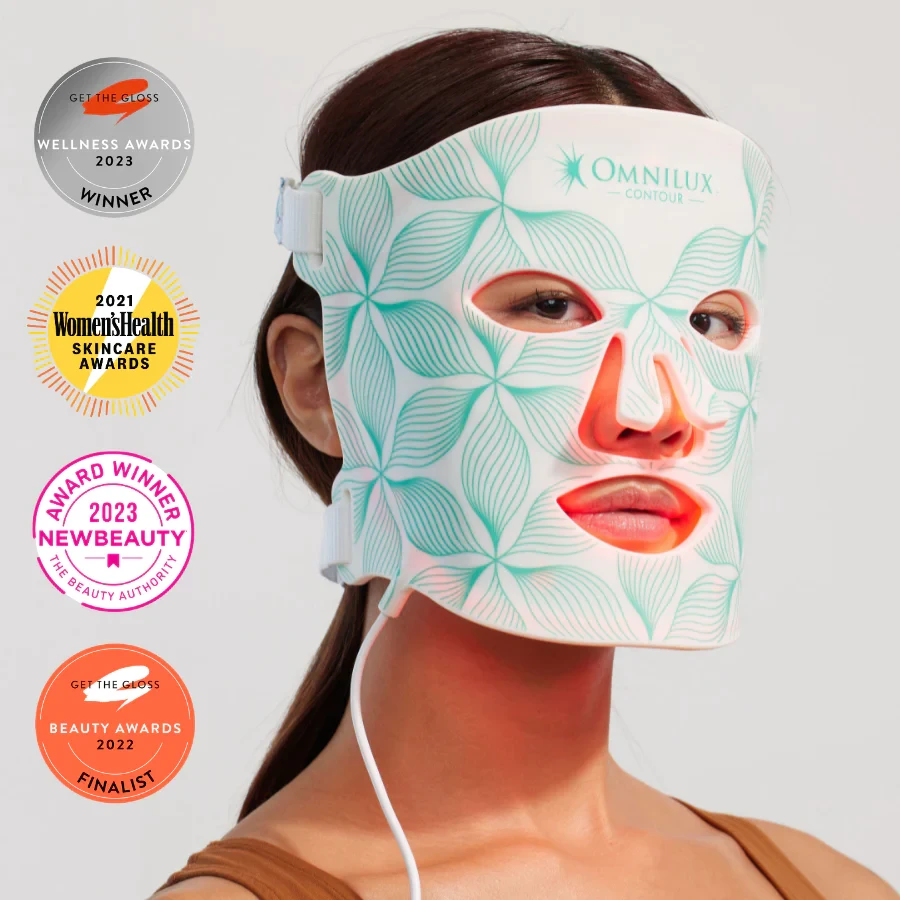
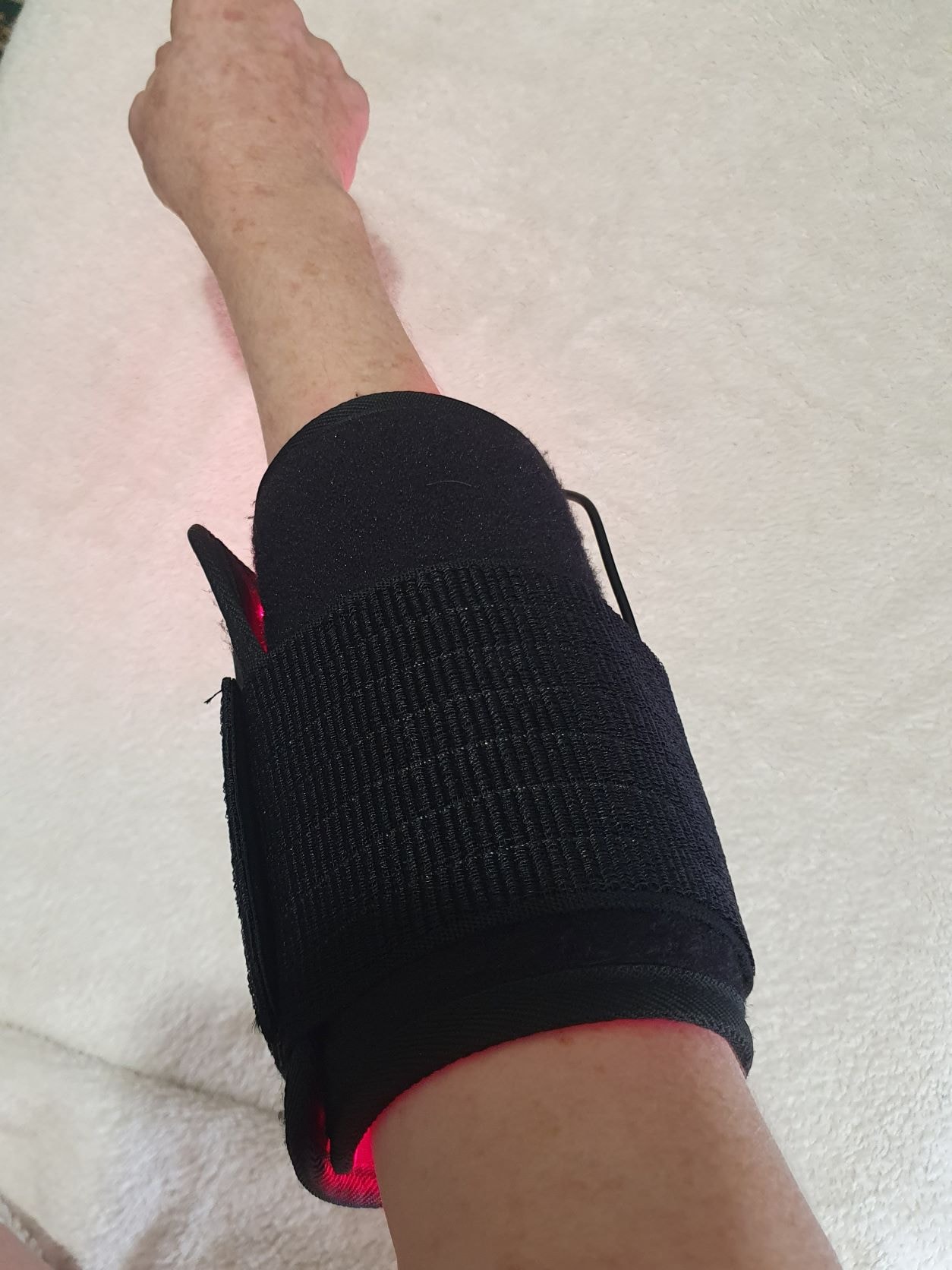
Red Light Therapy Pads — Designed by an Australian Physiotherapist
660nm · 810nm · 940nm — 3 unique custom-designed photobiomodulation wavelengths for musculoskeletal health and energy
Stop settling for surface-level heat. Proudly designed by Australian clinical physiotherapists, our custom-engineered light therapy pads utilize unique multi-wavelength arrays (660nm, 800nm, and 900nm). This targeted configuration optimizes cellular energy absorption, penetrating deep into joints and muscles to accelerate real tissue recovery right from your couch."
Designed by a qualified physiotherapistScience-backedSafe for daily useNo reported side effects
Physiotherapist's Guide
The Science of Photobiomodulation — Why Wavelengths Matter
Written by Annie — Australian Physiotherapist & founder of Red Light Physiotherapy
As a physiotherapist, I've spent years researching non-invasive therapies that genuinely work at a cellular level. Photobiomodulation (PBM) — also called red and near-infrared light therapy — is one of the most evidence-backed modalities I've encountered. I have joined the global scientific community working to introduce and drive this technology into mainstream medical use — because the evidence is compelling, and Australian patients deserve access to devices that actually reflect it. But here's the problem: most devices sold online use outdated or incorrect wavelengths, which means they simply don't deliver the therapeutic depth the research supports. This article explains exactly why wavelength selection is everything, and why I designed our pads around three specific, clinically validated frequencies.
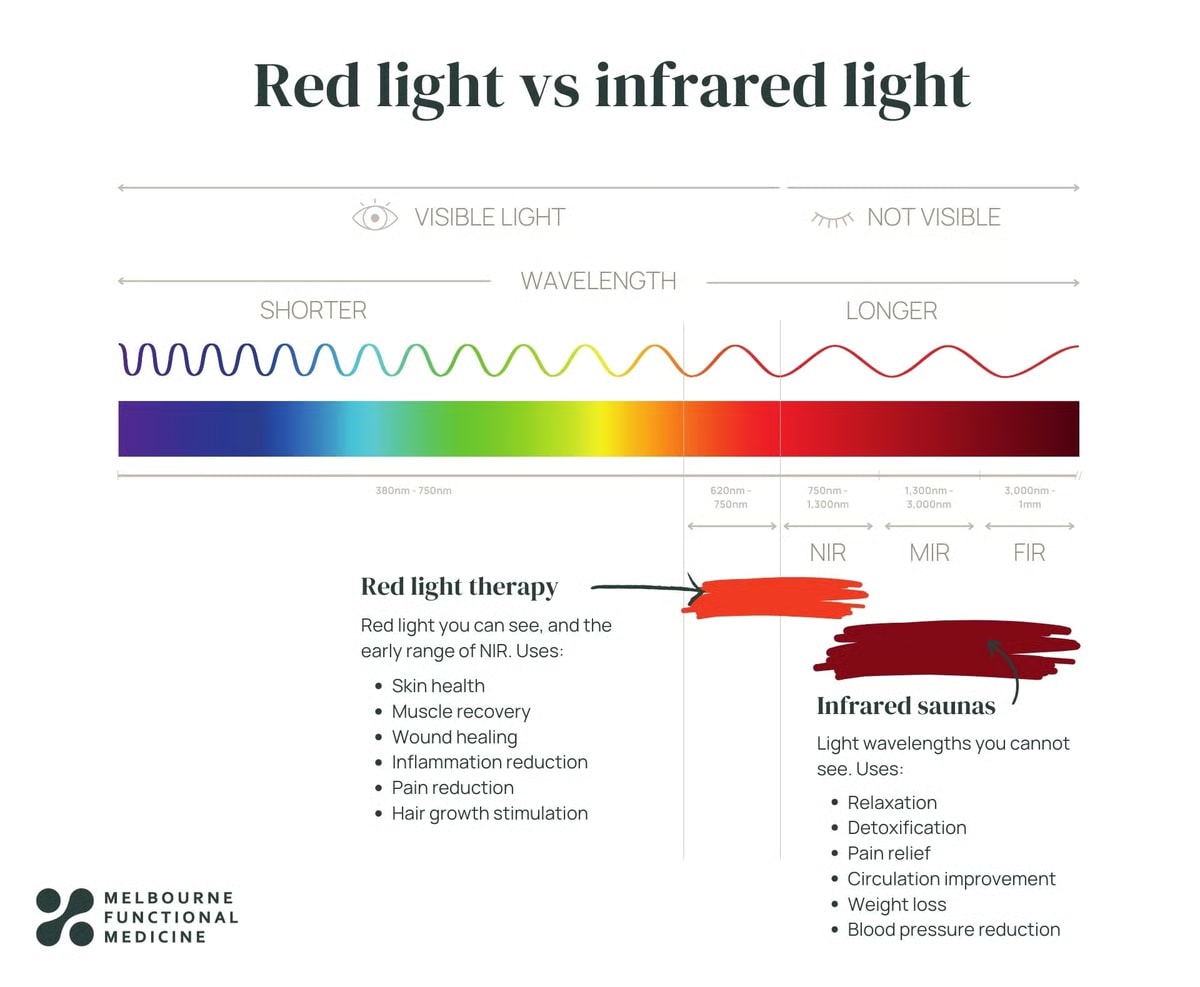
The light spectrum explained: red light therapy operates in the visible red and early near-infrared range (620–1,300nm) — distinct from infrared saunas which use longer, invisible wavelengths. Our pads target the three clinically validated peaks within this therapeutic window.
What is Photobiomodulation?
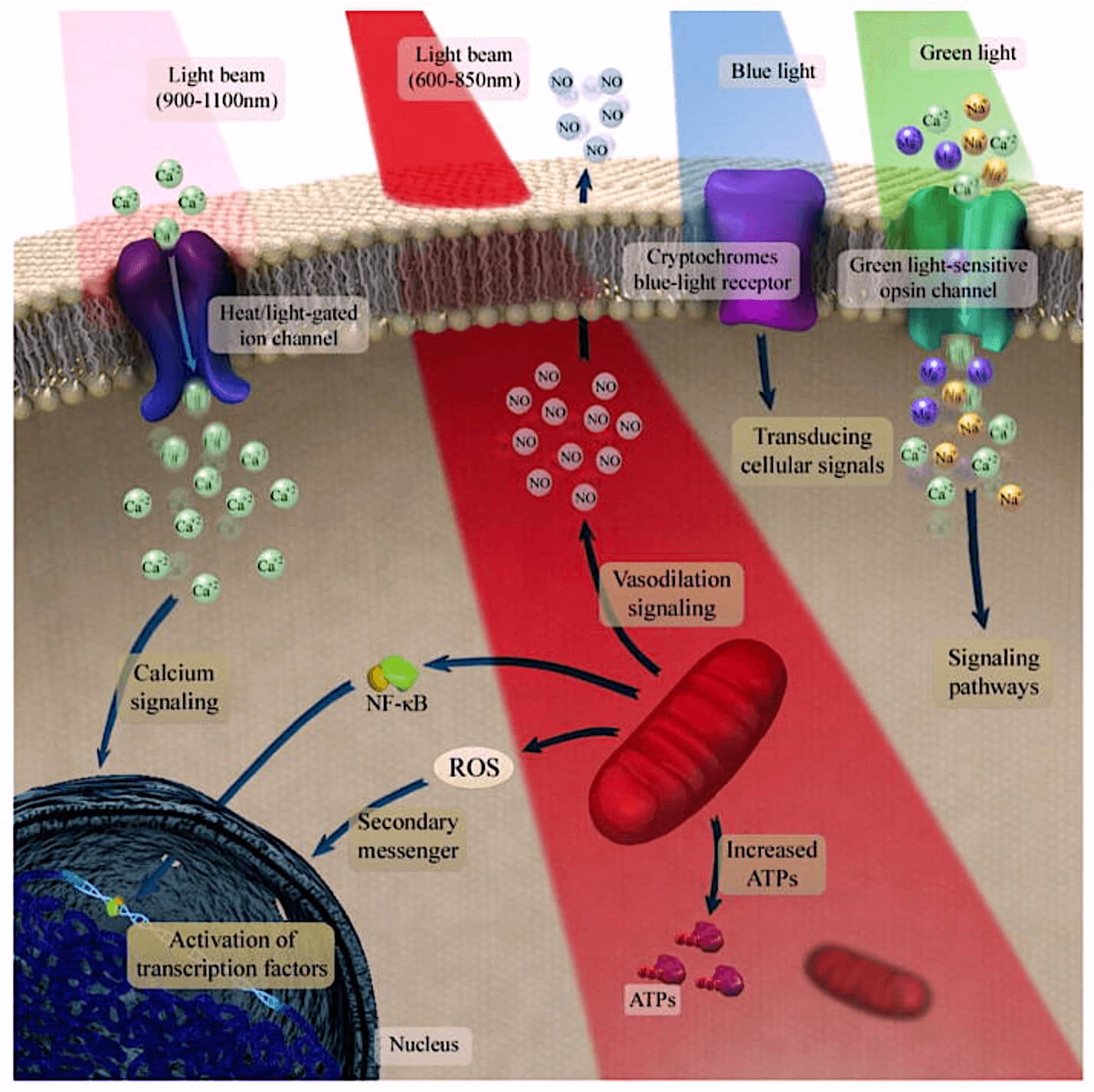
Photobiomodulation is the use of specific wavelengths of red and near-infrared light to stimulate biological processes within cells. When photons at the correct wavelength strike tissue, they are absorbed by photoreceptors — primarily cytochrome c oxidase (CCO) in the mitochondria — triggering a cascade of cellular responses including increased ATP (adenosine triphosphate) production, reduced oxidative stress, modulation of reactive oxygen species (ROS), and activation of key transcription factors that regulate inflammation and tissue repair.
In plain terms: the right light, at the right wavelength, tells your cells to produce more energy and repair faster. This is not heat therapy. It is not a placebo. It is a photochemical process with over 6,000 peer-reviewed studies supporting its mechanisms and clinical outcomes.
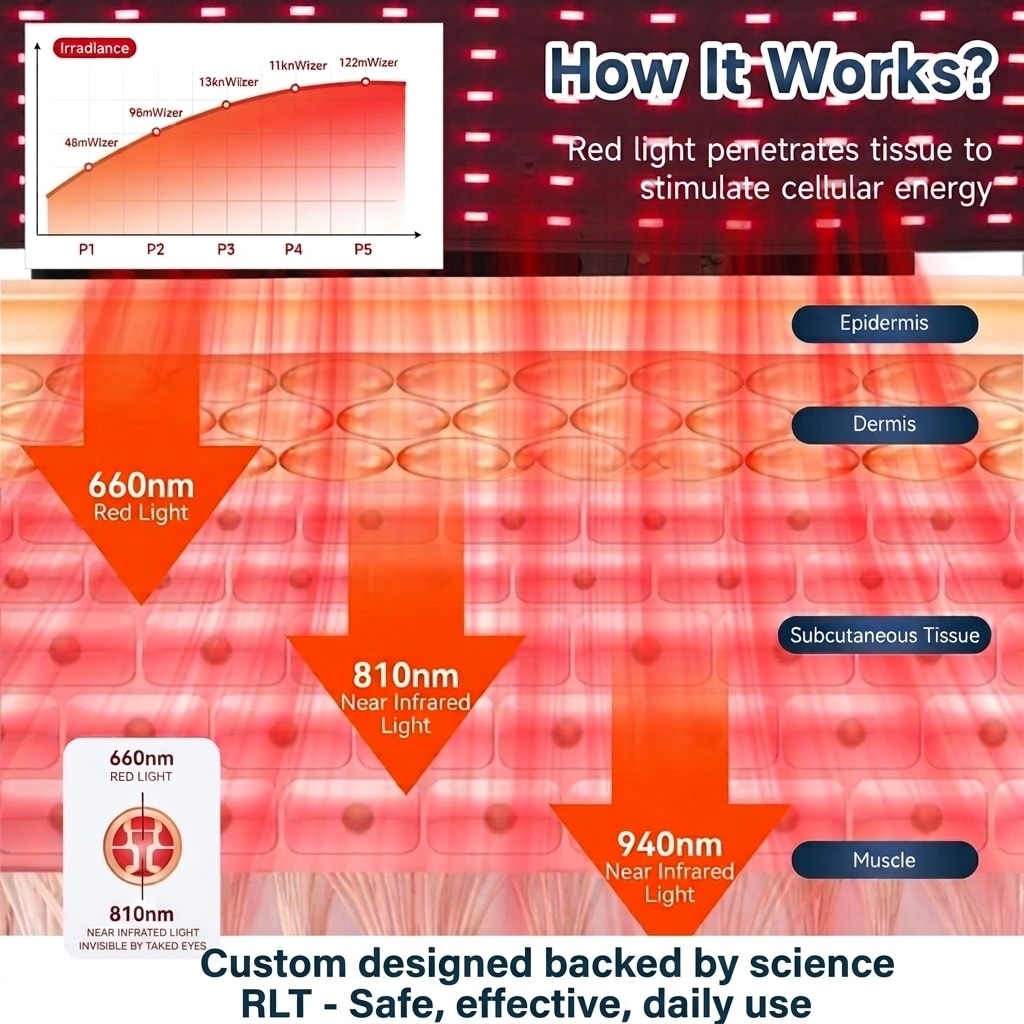
660nm penetrates the epidermis and dermis; 810nm reaches subcutaneous tissue; 940nm penetrates to muscle depth — each wavelength serves a distinct therapeutic role.
Why 660nm, 810nm, and 940nm — Not Just Any Red Light
The therapeutic window for PBM sits between 600nm and 1100nm, but not all wavelengths within that range are equal. The research identifies specific absorption peaks — wavelengths at which cytochrome c oxidase and other chromophores absorb photons most efficiently. Our pads use three of these validated peaks, each targeting a different tissue depth and biological mechanism.
660
660nm — Red Light
Penetrates the epidermis and dermis (2–3mm). Primarily stimulates collagen synthesis, accelerates wound healing, reduces superficial inflammation, and supports skin cell regeneration. Strongly absorbed by cytochrome c oxidase — the primary photoacceptor in the mitochondrial electron transport chain.
810
810nm — Near-Infrared
Reaches subcutaneous tissue and superficial muscle (5–10mm). This is the most studied near-infrared wavelength for musculoskeletal pain, nerve regeneration, and anti-inflammatory effects. 810nm has the highest absorption coefficient for CCO in the near-infrared range, making it the gold standard for deep tissue PBM.
940
940nm — Deep Near-Infrared
Penetrates to muscle, tendon, and joint depth (10–20mm+). 940nm is particularly effective for deep musculoskeletal conditions — joint inflammation, tendinopathy, disc pathology, and deep muscle recovery. It also stimulates water molecules within cells, supporting mitochondrial membrane function and cellular energy metabolism.
Clinical application: each wavelength reaches a different spinal tissue depth — critical for conditions like disc herniation, bulging discs, and degenerative joint disease.
Why Most Over-the-Counter Pads Don't Work
The red light therapy market has exploded in recent years, and with it, a flood of cheap devices that look the part but miss the science entirely. Here's what I see repeatedly when I review consumer-grade pads:
✕Wrong wavelengths: Many devices use 630nm or 850nm — wavelengths that sit outside the primary absorption peaks for cytochrome c oxidase. A few nanometres off sounds trivial, but it can mean the difference between therapeutic photon absorption and light that simply passes through tissue without effect.
✕Single wavelength only: Devices with only one wavelength (typically 660nm) address only superficial tissue. For musculoskeletal conditions — joint pain, tendinopathy, deep muscle injury — you need 810nm and 940nm to reach the target tissue. A single-wavelength pad is like treating a deep wound with a surface-only dressing.
✕Insufficient irradiance: Many consumer pads produce irradiance levels well below the therapeutic threshold (typically 10–100 mW/cm²). Low irradiance means insufficient photon delivery to drive the cellular response, regardless of wavelength. Our pads are calibrated to deliver clinically relevant irradiance at the tissue surface.
✕No clinical design input: Most pads are designed by electronics manufacturers, not clinicians. Without understanding how musculoskeletal conditions present, how tissue layers vary by body region, or what the research actually says about dosing, the product design is guesswork.
What Happens Inside the Cell
When photons at 660nm, 810nm, or 940nm are absorbed by cytochrome c oxidase, a chain of intracellular events is triggered. Nitric oxide (NO) — which had been inhibiting CCO activity — is photodissociated, restoring normal mitochondrial respiration. This leads to a rapid increase in ATP synthesis, a transient rise in reactive oxygen species (ROS) that acts as a secondary messenger, and downstream activation of transcription factors including NF-κB, AP-1, and HIF-1α.
These transcription factors regulate gene expression for anti-inflammatory cytokines, growth factors, and antioxidant enzymes — producing the clinical outcomes we observe: reduced pain, accelerated tissue repair, improved circulation, and enhanced cellular energy. The diagrams below illustrate these pathways across different wavelength ranges.
Intracellular PBM mechanisms: photon absorption triggers ATP synthesis, ROS secondary messaging, NF-κB activation, and downstream transcription factor cascades that drive tissue repair and anti-inflammatory gene expression.Peer-reviewed research illustrating PBM's immune-modulating and cellular repair pathways — the biological basis for its clinical efficacy in musculoskeletal conditions.
The Dosing Sweet Spot — Consistency Beats Intensity
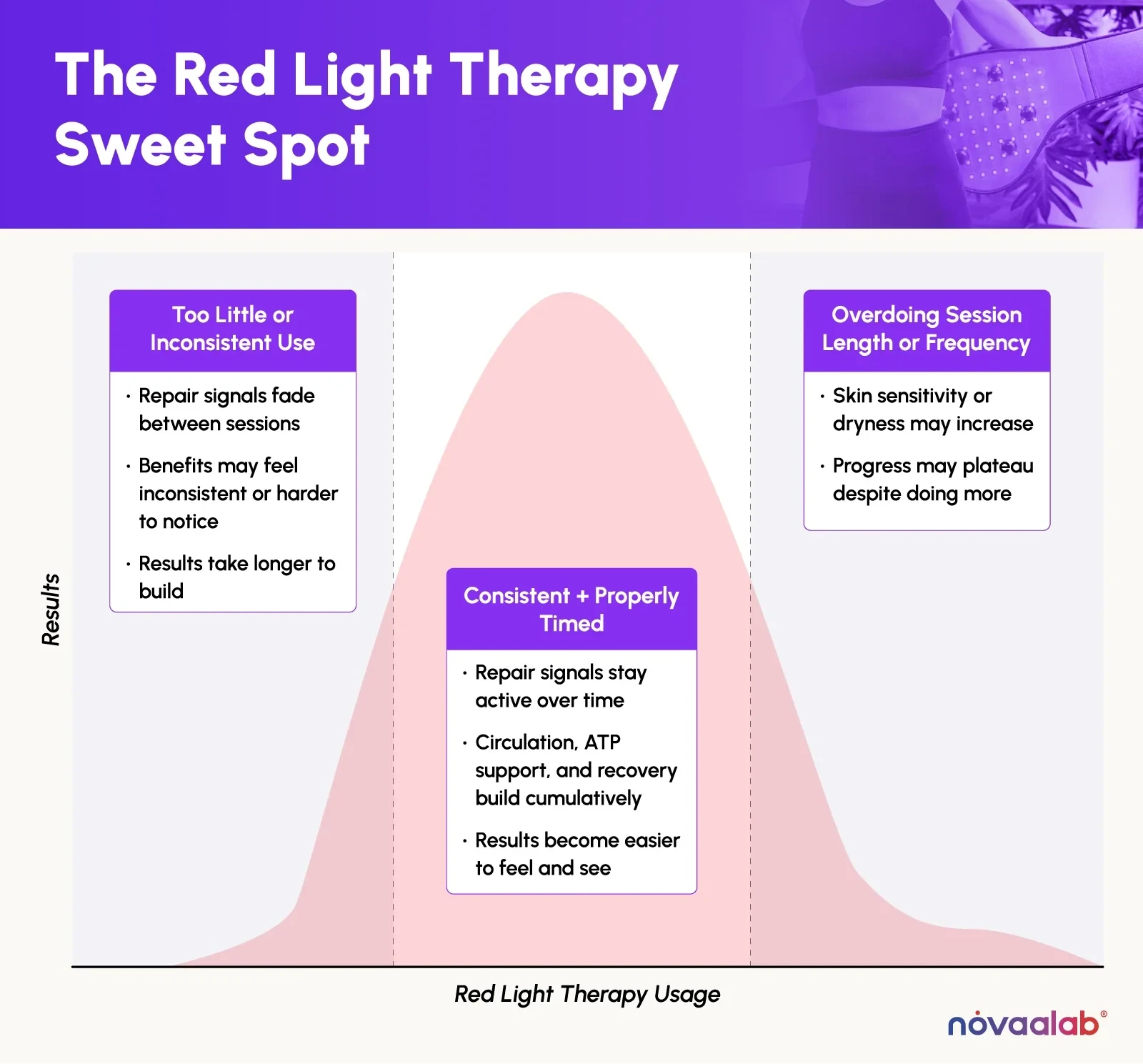
One of the most important — and most misunderstood — aspects of PBM is the biphasic dose-response. More is not always better. Too little light produces minimal cellular response; too much can inhibit the very pathways you're trying to activate. The therapeutic window sits in the middle, and the research consistently shows that regular, correctly-dosed sessions outperform infrequent high-dose applications.
For musculoskeletal conditions, the evidence supports sessions of 10–20 minutes per treatment area, 3–5 times per week, at an irradiance of 20–100 mW/cm². Our pads are designed to operate within this window — making daily home use safe, effective, and cumulative.
The biphasic dose-response: consistent, correctly-timed sessions build cumulative benefit. Overdoing session length or frequency can plateau or reduce results.
Why I Designed These Pads
After years of clinical practice, I kept seeing the same pattern: patients spending money on consumer red light devices and getting little to no result. When I reviewed what they'd purchased, the answer was almost always the same — wrong wavelengths, insufficient irradiance, or single-frequency devices that couldn't reach the tissue depth their condition required.
I designed our pads specifically for musculoskeletal health — the conditions I treat every day. The 660nm / 810nm / 940nm combination was chosen because it covers the full therapeutic depth range: from superficial inflammation and skin healing, through subcutaneous tissue and fascia, to deep muscle, tendon, and joint structures. This is not a cosmetic device repurposed for pain. It is a clinically-informed tool built from the ground up for physiotherapy applications.
The wearable, flexible design means patients can use them correctly — held firmly against the treatment area for the full session duration — which is critical for adequate photon delivery. A pad that doesn't stay in contact with tissue is a pad that doesn't work.
Annie
Physiotherapist — Clare, South Australia · Founder, Red Light Physiotherapy
Clinical Photobiomodulation in Equine Sports Medicine: Overcoming the Barriers of Dense Hair and Dark Pigment
By Annie — Physiotherapist & Rider Biomechanics Coach · Red Light Physiotherapy
As equine sports medicine evolves, Photobiomodulation (PBM) Therapy — commonly known as Red and Near-Infrared (NIR) Light Therapy — has transitioned from an alternative modality to a staple of high-performance stable routines.
Whether managing a tendon strain in a performance warmblood or promoting recovery in an elite racing thoroughbred, the cellular benefits of light energy are undisputed. However, standard off-the-shelf consumer red light pads (typically emitting basic 660nm and 850nm wavelengths) consistently fail to deliver results in equine applications.
As a practicing physiotherapist and rider biomechanics coach, I engineered the Red Light Physiotherapy Equine Tri-Spectrum Series to address the unique physiological barriers of the horse: dense coat hair, dark skin melanin, and deep musculoskeletal structures.
The Biological Mechanism: ATP and Vasodilation
At its core, equine PBM therapy operates on a cellular level by targeting the mitochondria. When specific wavelengths of light reach the target tissue, they are absorbed by Cytochrome C Oxidase (CCO), a crucial enzyme within the mitochondrial respiratory chain. This absorption triggers two profound physiological events:
⚡
Accelerated ATP Production
The cell produces a surge of Adenosine Triphosphate (ATP), providing the immediate cellular fuel required for rapid tissue repair, protein synthesis, and cellular regeneration.
🩸
Targeted Nitric Oxide Release
PBM displaces nitric oxide from CCO, inducing localised vasodilation. This dilates blood vessels, flooding the injured area with oxygenated blood, nutrients, and anti-inflammatory markers while carrying away metabolic waste.
The Equine Dilemma: Why Standard Dual-Spectrum Pads Fail
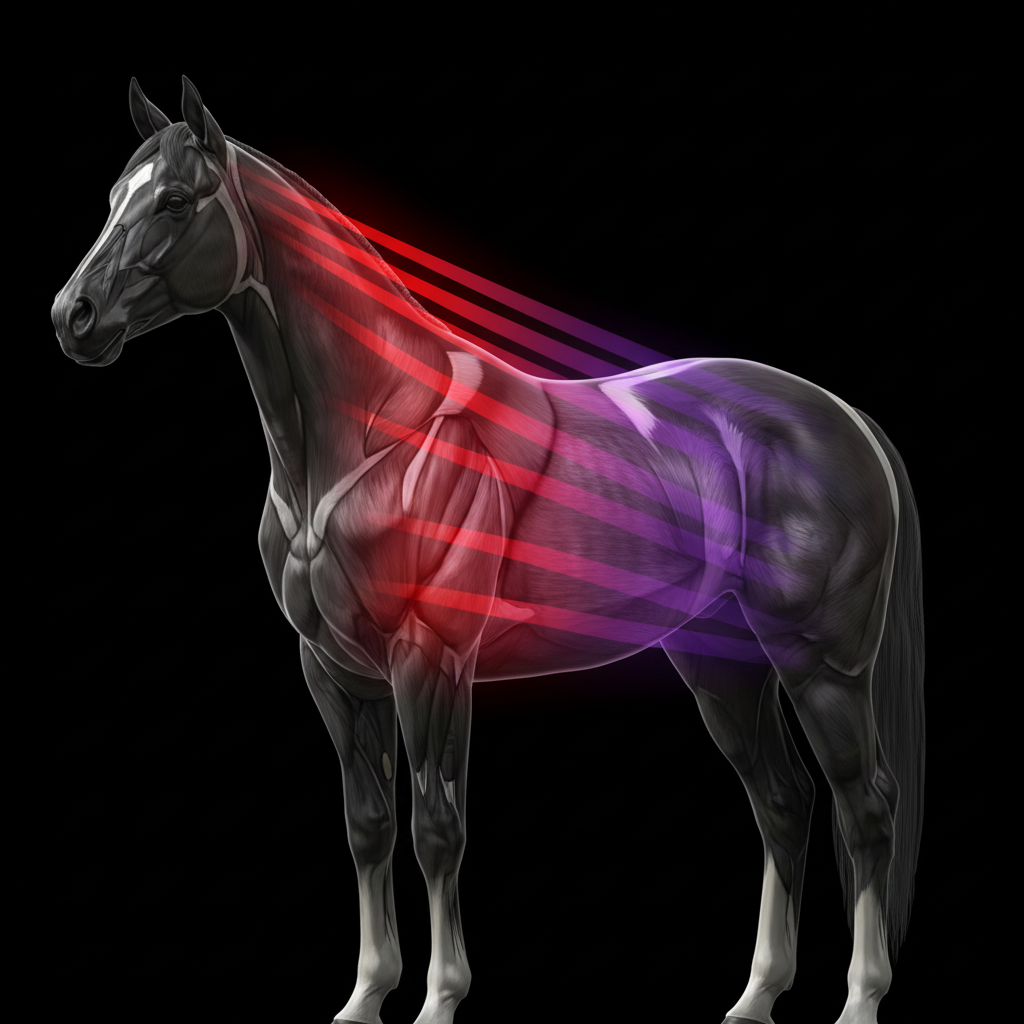
Most commercial red light wraps designed for humans utilise a simple dual-wavelength setup: 660nm (visible red) and 850nm (near-infrared). When placed on a horse, these systems lose up to 80% of their therapeutic efficacy due to two physical blockades:
Hair Density & Skin Melanin
A horse's winter coat, thick skin, and dark coat pigment act as highly efficient filters, scattering visible red light (660nm) before it can penetrate beyond the superficial dermal layers.
Massive Tissue Depth
A horse's primary trouble areas — the sacroiliac (SI) joint, deep digital flexor tendons, and large hamstring muscle groups — lie inches beneath dense tissue. Standard consumer wavelengths lack the photon energy density required to reach these depths at therapeutic levels.
Engineering the Solution: The Clinical Tri-Spectrum Advantage
To guarantee true clinical penetration through equine skin and hair, each premium LED cluster utilises Triple-Chip Technology, pairing the necessary superficial wavelengths with deep-penetrating clinical bands:
660nm — Visible Red
Dermal & Microvascular Repair
Vital for treating skin abrasions, saddle sores, rain scald, and superficial nerve endings. Accelerates initial wound closure and collagen alignment.
810nm — Near-Infrared
The Clinical Sweet Spot
Sits directly at the peak absorption spectrum of Cytochrome C Oxidase. Lowest absorption by water and melanin — photons punch through dense horse hair and dark skin to trigger deep cellular ATP.
940nm — Deep Infrared
Deep Tissue & Haemoglobin Oxygenation
Targets water and haemoglobin molecules to maximise blood flow deep within thick equine muscle groups (gluteals, longissimus dorsi) and poorly vascularised tendons and ligaments.
Practical Stable Protocols: Pulsed vs. Continuous Delivery
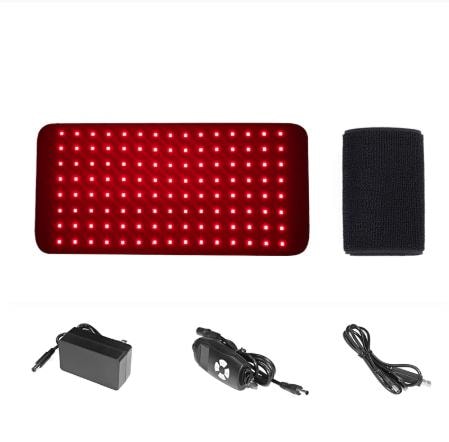
Equine soft-tissue conditions respond dynamically to how light energy is delivered. Our high-performance systems feature a smart control panel offering both clinical modes:
Continuous Mode
Metabolic Boost
Best utilised for post-workout recovery, deep muscle flushing, and warming up tight, cold backs before saddling. Maximises total energy delivery (joules) to healthy but fatigued tissue.
Pulsed Mode
Analgesic & Anti-Inflammatory
Employs rapid frequency cycles ideal for acute injuries, fresh tendon strains, swollen hocks, and severe back pain. Pulsing mitigates tissue heating while disrupting pain signalling pathways.
Designed for the Arena, Built for the Stable
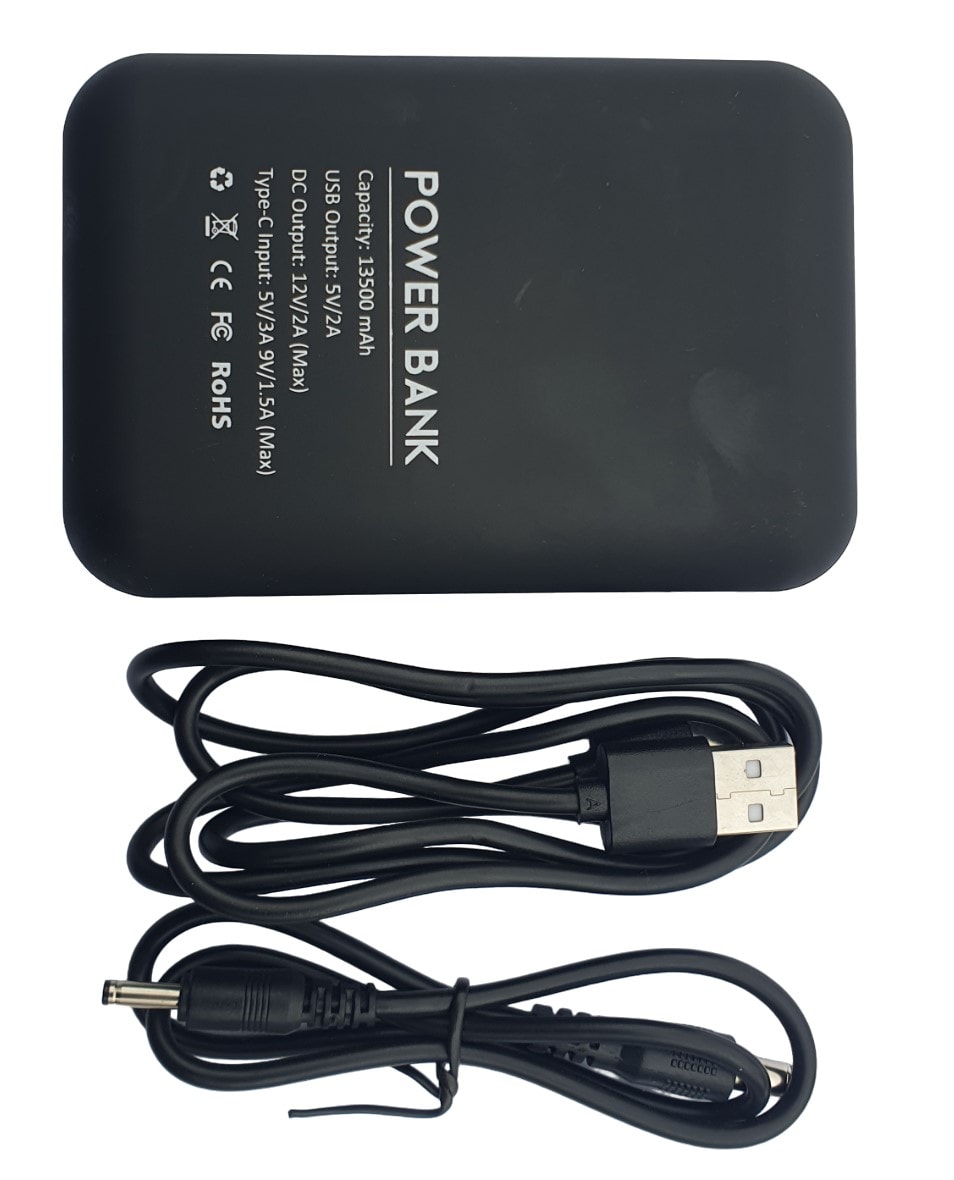
A clinical tool must survive the realities of equestrian life. Powered by a high-capacity, mobile 13,500mAh power bank, our wraps allow you to treat your horse directly in the tie-ups, wash bays, or float — without dangerous 240V trailing cords.
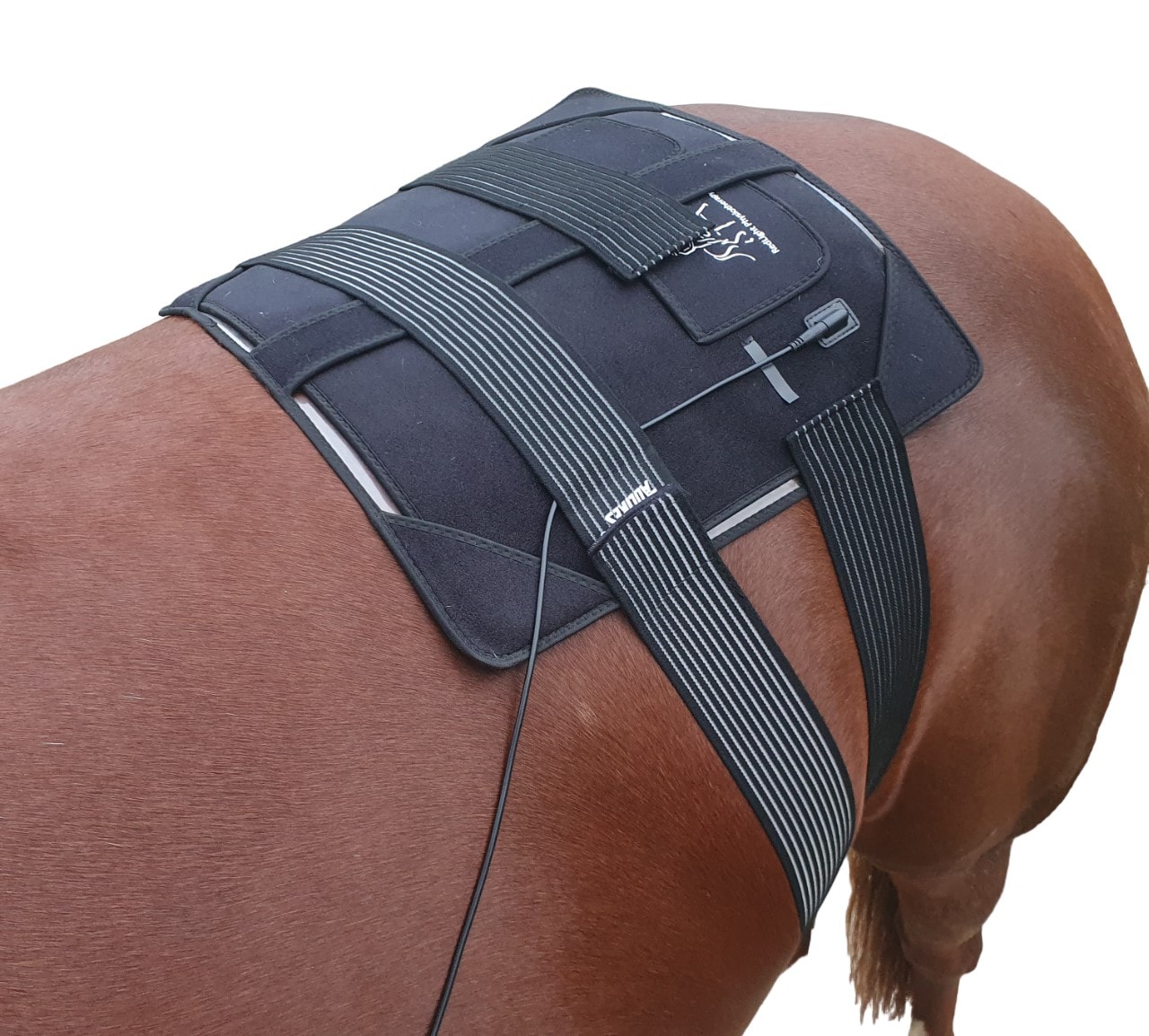
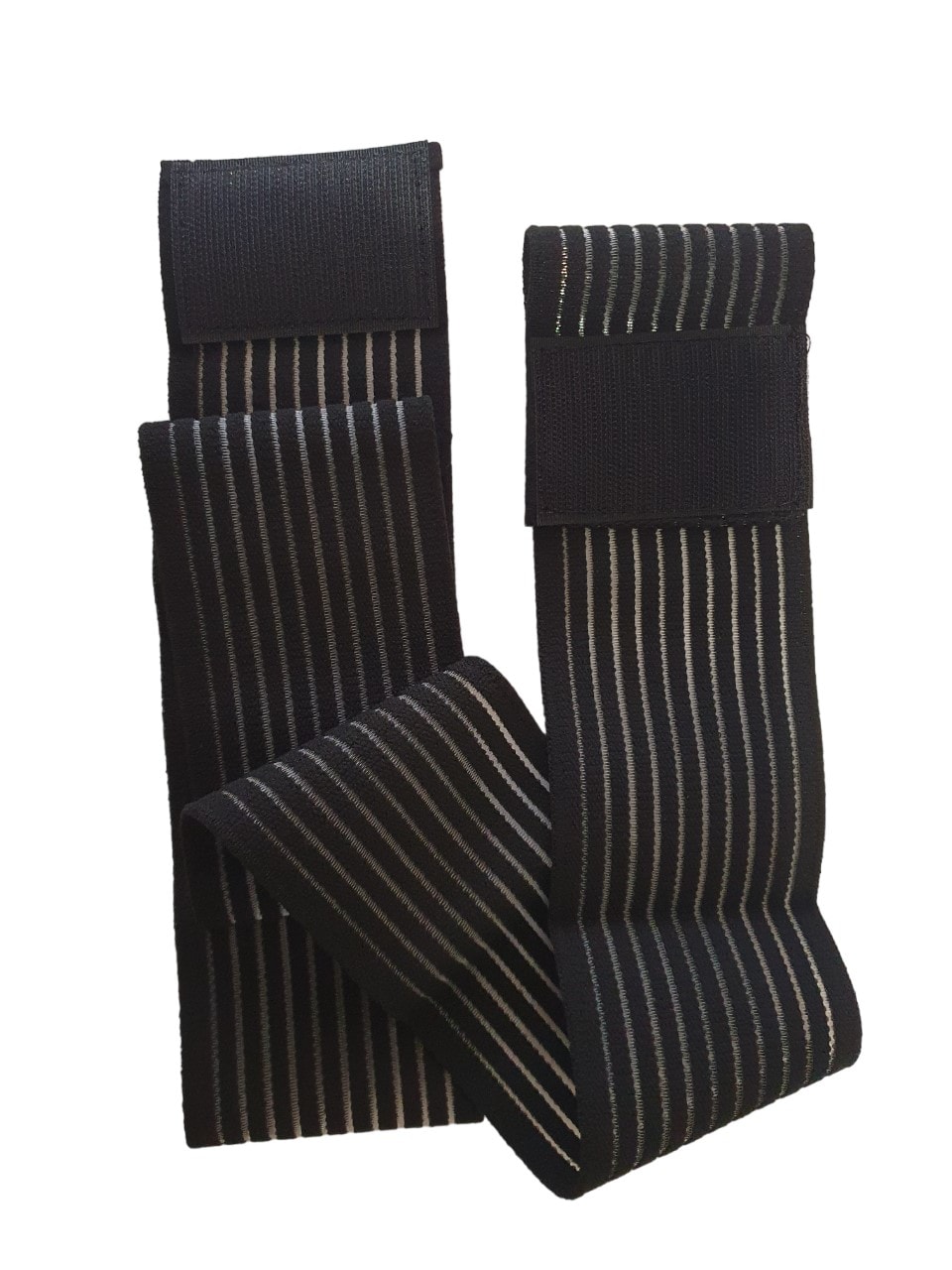
Every pad features medical-grade elastic retention straps for a secure fit on the poll, hocks, or cannons, wrapped in a protective, easy-clean plastic shield that protects the LED array from dirt, sweat, and stable debris.
Academic References
Hamblin, M. R. (2017). Mechanisms and mitochondrial redox signaling in photobiomodulation. Photobiomodulation, Photomedicine, and Laser Surgery.
Targett, M. P., et al. (2021). The use of light-emitting diode (LED) photobiomodulation in the management of equine back pain: A randomized clinical trial. Journal of Equine Veterinary Science.
Featured Product
Equine XL Tri-Spectrum Pad
Invest in therapy backed by diagnostic principles. Don't settle for low-powered consumer wraps that merely warm the hair — provide your horse with the exact tri-spectrum irradiance required for genuine cellular repair.
Learn More about Red and Infrared Light Therapy Pads, Photobiomodulation, and Health Management
How Does Photobiomodulation Therapy Help with Pain & Recovery?
A clinical guide by Annie, Physiotherapist & Rider Biomechanics Coach. Discover how red and near-infrared light therapy relieves pain, reduces inflammation, and accelerates tissue repair in humans and animals.
Clinical Photobiomodulation in Equine Sports Medicine
Why standard dual-spectrum pads fail horses — and how tri-spectrum 660nm, 810nm & 940nm technology overcomes dense coat, dark pigment, and deep musculoskeletal structures. By Annie, Physiotherapist & Rider Biomechanics Coach.
Based in Clare, South Australia (Clare Valley). Red light therapy pads shipped Australia-wide — including Adelaide, Sydney, Melbourne, Brisbane, and Perth.
Red Light Physiotherapy
Clare Valley Physiotherapy / Redlight Physiotherapy